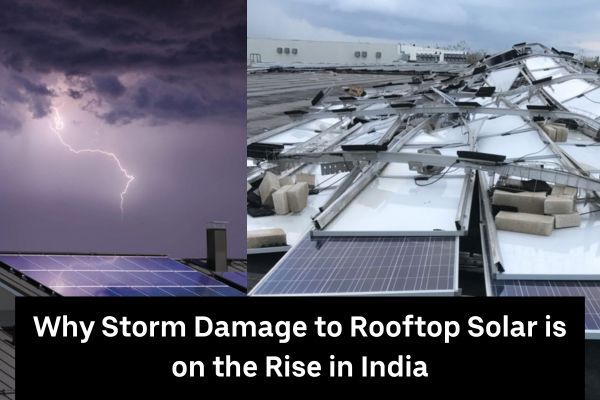
The recent storm in Mumbai has shed light on the vulnerabilities and challenges facing India’s burgeoning solar energy market. While the country is making significant strides in adopting solar power, the market remains largely unorganized. This lack of structure can lead to various issues that undermine the potential and reliability of solar energy. Here are some critical lessons and points to consider:
Low-Quality Installations
One of the most glaring issues exposed by the storm is the prevalence of low-quality installations. Many solar systems in India are installed with subpar materials that cannot withstand extreme weather conditions. This was clearly demonstrated during the storm, where numerous installations were damaged or destroyed.
Solution: To combat this, there should be stricter regulations and standards for installation practices and materials. Ensuring that only high-quality components are used can increase the resilience of solar systems against adverse weather conditions.
Myths and Misconceptions
There is a widespread belief among consumers that all solar panels and installations are created equal. This misconception leads to poor decision-making, with many homeowners opting for cheaper, lower-quality systems that are prone to failure.
Solution: Educating consumers about the differences in solar panel quality, durability, and performance is crucial. This can be achieved through awareness campaigns and providing detailed information about the benefits of investing in high-quality systems.
Lack of After-Sales Support
Proper maintenance and after-sales service are vital for the longevity and efficiency of solar installations. However, many providers fail to offer adequate support, leaving customers without the necessary resources to maintain their systems. This oversight not only shortens the lifespan of installations but also erodes consumer trust in solar energy as a viable solution.
Solution: Establishing robust after-sales support systems and maintenance services can ensure that solar installations operate efficiently throughout their lifespan. Providers should offer comprehensive maintenance packages and prompt service to address any issues that arise.
Unreliable Installers
The market is flooded with installers who prioritize quick profits over quality. These providers often lack the necessary expertise and use cheap materials and outdated technology, resulting in unsafe and unreliable solar systems. The storm exposed the fragility of such systems, further damaging the reputation of solar energy.
Solution: Certification programs for installers can help ensure that only qualified professionals carry out installations. Additionally, promoting the use of modern, reliable technology can enhance the safety and performance of solar systems.
Inconsistent Regulatory Framework
India’s solar market suffers from an inconsistent regulatory framework, with varying standards across different states. This inconsistency can lead to confusion and poor implementation of solar projects.
Solution: Developing a unified national regulatory framework for solar installations can help standardize practices and ensure consistent quality across the country.
Financial Barriers
The high upfront cost of solar installations remains a significant barrier for many consumers. Although there are government incentives and rebates, the initial investment can still be prohibitive for some.
Solution: Increasing financial support, such as low-interest loans and grants, can make solar energy more accessible. Additionally, promoting community solar projects can help distribute costs and benefits among multiple households.
Lack of Skilled Workforce
The rapid growth of the solar market has outpaced the development of a skilled workforce. Many installers lack the training required to ensure high-quality installations.
Solution: Investing in training programs and certification for solar installers can improve the overall quality of installations. Partnerships between government, educational institutions, and industry can help create a skilled workforce to meet the market’s demands.
Integration with the Grid
Integrating solar power with the existing grid infrastructure can be challenging. Inconsistent policies and technical difficulties can hinder the efficient use of solar energy.
Solution: Upgrading grid infrastructure and developing clear policies for solar integration can enhance the overall efficiency and reliability of solar power systems.
Final Thoughts
The storm in Mumbai has highlighted the critical need for an organized and regulated solar market in India. By addressing the issues of low-quality installations, consumer misconceptions, lack of after-sales support, and unreliable installers, India can pave the way for a more robust and sustainable solar energy market. Additionally, tackling financial barriers, regulatory inconsistencies, workforce training, and grid integration can further strengthen the market.
Call to Action:
Are you considering solar energy for your home or business? Make sure you choose a reliable provider and high-quality materials to ensure the longevity and efficiency of your system. Stay informed and make smart choices to harness the power of the sun effectively