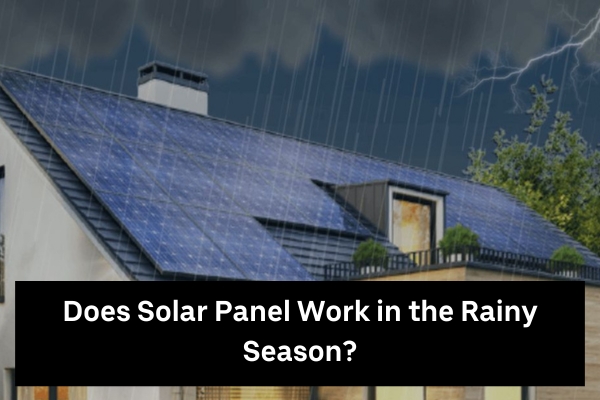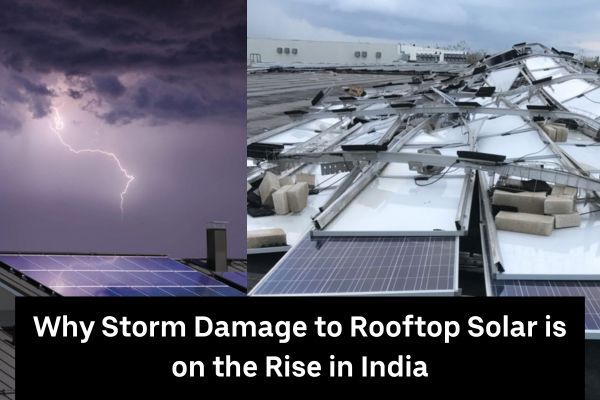
India is rapidly embracing solar energy, with countless rooftops across the country being fitted with solar panels. This shift towards renewable energy is both commendable and necessary for a sustainable future. However, as the popularity of solar energy grows, so does the number of cases of rooftop solar installations being damaged by storms. Unfortunately, many innocent customers are falling victim to poor quality and unsafe solar installations, lured in by cheaper prices.
In this blog post, we’ll explore why storm damage to rooftop solar is on the rise in India and how customers can protect themselves from poor-quality installations.
The Rise of Storm Damage to Solar Panels
Increased Frequency of Severe Weather:
- Climate Change Impact: As climate change continues to alter weather patterns, India has been witnessing an increase in the frequency and intensity of storms. Strong winds, heavy rains, and hail can cause significant damage to poorly installed or low-quality solar panels.
- Vulnerable Regions: Coastal areas and regions prone to heavy monsoons are particularly vulnerable to storm damage, making it essential for solar installations in these areas to be robust and secure.
Poor Quality Installations:
- Cheap Materials: In an attempt to cut costs, some solar providers use substandard materials that are not designed to withstand extreme weather conditions. These materials can lead to panels being easily damaged or even dislodged during storms.
- Lack of Proper Mounting: Proper mounting and installation are critical to the durability of rooftop solar panels. In many cases, installers prioritize speed and cost over quality, leading to panels that are not securely attached to the roof. This makes them more susceptible to storm damage.
Unqualified Installers:
- Lack of Expertise: The booming solar industry has attracted many inexperienced and unqualified installers. These installers may lack the necessary knowledge to ensure that panels are securely and safely installed. This results in installations that are not equipped to handle severe weather conditions.
- Fly-by-Night Operators: Some companies focus on making quick profits by offering cheap solar installations without considering long-term durability. These operators often disappear after installation, leaving customers with no support or recourse when their panels are damaged.
Misleading Price Offers:
- Low Prices, High Risks: Many customers are lured in by low-price offers, not realizing that these often come with hidden risks. Lower costs are typically achieved by compromising on the quality of materials, installation, and after-sales support. In the long run, this can lead to costly repairs or even complete replacement of the solar system.
- Lack of Transparency: Some providers may not be transparent about the quality of materials being used, leading customers to believe they are getting a good deal when in fact they are receiving inferior products.
How to Protect Yourself from Poor-Quality Solar Installations
Do Your Research:
- Choose Reputable Providers: Always select a reputable solar provider with a proven track record of high-quality installations. Look for companies that are certified and have positive customer reviews.
- Check Warranties and Guarantees: Ensure that the solar panels and installation come with strong warranties and guarantees. This will give you peace of mind that you are protected in case of any issues.
Understand What You’re Paying For:
- Quality vs. Cost: Be wary of deals that seem too good to be true. While it may be tempting to go for the cheapest option, remember that the quality of materials and installation is crucial for the long-term durability of your solar system.
- Ask Questions: Don’t hesitate to ask your installer about the materials being used, the mounting techniques, and how they ensure that the installation will withstand severe weather conditions.
Insist on Proper Installation:
- Ensure Compliance with Standards: Make sure that your solar installation complies with local regulations and standards. This includes proper mounting, secure attachment to the roof, and adequate spacing to prevent wind uplift.
- Monitor the Installation Process: If possible, be present during the installation process to ensure that everything is being done correctly. Don’t hesitate to raise concerns if you notice anything that doesn’t seem right.
Plan for Maintenance and Support:
- Regular Inspections: Schedule regular inspections of your solar system to ensure that everything is in good working order. This is especially important after a storm or severe weather event.
- Choose Providers with Good After-Sales Support: Make sure that your solar provider offers reliable after-sales support in case you need repairs or maintenance.
In conclusion,
While the rise of solar energy in India is a positive step towards a more sustainable future, it’s important to be aware of the potential risks associated with poor-quality installations. Storm damage to rooftop solar panels is becoming increasingly common due to factors such as low-quality materials, unqualified installers, and misleading price offers. To protect yourself and your investment, it’s essential to choose reputable providers, understand what you’re paying for, and insist on proper installation. By taking these steps, you can ensure that your solar system is built to last and can withstand the challenges posed by extreme weather. Remember, in the world of solar energy, quality should never be compromised for cost.