Introduction:
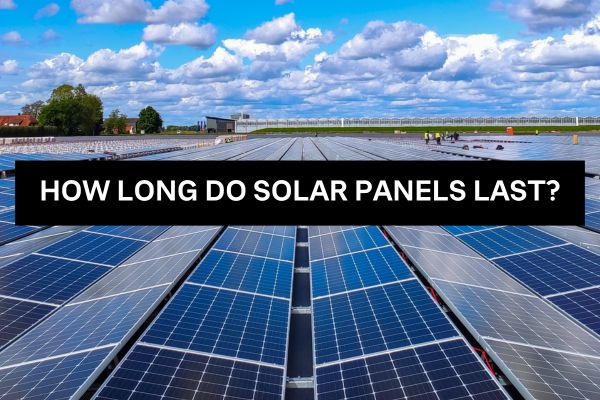
Solar energy has emerged as a popular and sustainable alternative to traditional fossil fuels, offering numerous benefits for both homeowners and businesses. One common question that arises when considering solar power is, “How long do solar panels last?” In this blog post, we’ll delve into the lifespan of solar panels, exploring factors that affect their longevity and providing insights into maximizing their performance over time.
Understanding the Lifespan of Solar Panels:
Solar panels are designed to withstand various environmental conditions and are built to last for decades. The average lifespan of solar panels typically ranges from 25 to 30 years, with many panels continuing to produce electricity well beyond this timeframe. However, several factors can influence the longevity of solar panels, including:
Quality of Materials: The quality of materials used in manufacturing solar panels plays a crucial role in determining their lifespan. High-quality panels with durable components are more likely to withstand wear and tear over time.
Maintenance and Care: Regular maintenance and upkeep can help prolong the lifespan of solar panels. Periodic cleaning, inspections, and repairs ensure optimal performance and prevent issues that may affect panel longevity.
Environmental Factors: Environmental factors such as temperature fluctuations, humidity, and exposure to sunlight can impact the durability of solar panels. Panels installed in harsh climates may experience faster degradation compared to those in moderate environments.
Manufacturer Warranty: Solar panel warranties typically cover defects and performance guarantees for a specified period, ranging from 10 to 25 years or more. Choosing panels with extended warranties provides added assurance of long-term performance and reliability.
Maximizing Solar Panel Lifespan:
To maximize the lifespan of solar panels and optimize their performance over time, consider the following tips:
Invest in High-Quality Panels: Choose reputable manufacturers known for producing high-quality solar panels with durable materials and reliable performance.
Schedule Regular Maintenance: Implement a maintenance schedule that includes cleaning, inspections, and repairs by qualified professionals to ensure panels remain in optimal condition.
Monitor Performance: Keep track of your solar panel’s performance using monitoring systems to identify any issues or declines in output promptly.
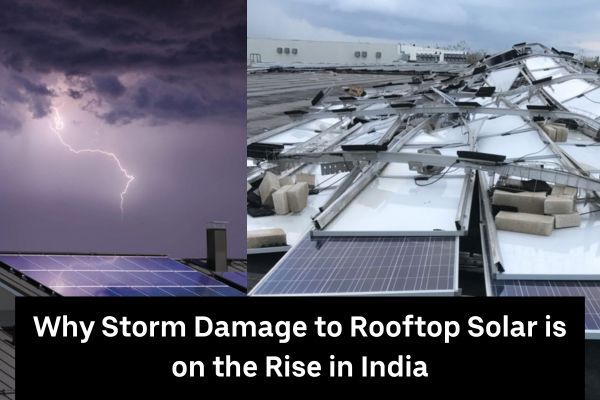
Protect Against Environmental Damage: Take precautions to protect solar panels from environmental damage, such as extreme weather conditions, debris, and shading, to minimize wear and tear.
Conclusion:
In conclusion, solar panels offer a long-term, sustainable solution for generating clean energy. While their lifespan typically ranges from 25 to 30 years, proper maintenance and care can extend their longevity and ensure optimal performance throughout their lifespan. By understanding the factors that influence solar panel lifespan and implementing best practices for maintenance and care, you can enjoy the benefits of solar energy for decades to come.