Environment
Office energy and emissions, site environmental controls, waste handling, spill prevention and progressive expansion of environmental data coverage.
ESG Report
Our approach to responsible solar infrastructure—covering environmental performance, safe project execution, workforce practices and accountable governance.
About the report
This report presents SunInfra Energies Ltd.’s approach to managing environmental, social and governance responsibilities across its solar EPC operations for FY 2025–26. Its scope includes corporate functions, active project sites, contractor-managed operations under Company oversight, solar plant operations and maintenance, and procurement and supplier interactions.
Office energy and emissions, site environmental controls, waste handling, spill prevention and progressive expansion of environmental data coverage.
Occupational health and safety, contractor management, workforce development, diversity, training and site-level emergency preparedness.
Ethical conduct, risk management, operational accountability, incident monitoring, stakeholder engagement and regulatory compliance.
“Robust ESG management is an essential part of building a credible and future-ready business.”
Company profile
Established in 2016, SunInfra serves commercial, industrial and institutional energy consumers across the full project lifecycle—from feasibility, engineering and procurement to installation, commissioning, O&M and long-term asset performance.
The business is structured around Solar EPC, Solar Operations & Maintenance, and Solar BOOT. This enables participation across both project delivery and long-term operational performance.
Projects span industrial rooftops, institutional installations, distributed solar infrastructure, solar parks and site-specific systems across Maharashtra and other regional markets.
Services include technical feasibility, site audit, yield analysis, system design, procurement, construction, commissioning, validation and post-commissioning maintenance.
The most significant impacts arise at project sites and across the contractor ecosystem, making safety, labour compliance, supply-chain diligence and environmental controls central priorities.
Environment
Current quantified reporting covers corporate-office electricity and related emissions. At sites, environmental management focuses on material storage, drainage, waste segregation, dust and noise, hazardous-material handling and spill prevention.
Scope 1 emissions are limited primarily to refrigerant use where applicable. Scope 2 emissions from purchased office electricity were reported at 3.152 tCO₂e for FY 2025–26.
Site waste includes construction and packaging materials, electrical waste and limited hazardous waste. Controls include labelled segregation, controlled storage and routing recyclable or hazardous materials through appropriate vendors.
Materials are stored in designated temporary structures. Drainage pathways are protected, and localized dust and noise from drilling or installation are managed through project supervision.
Priorities include standardized inspection protocols, stronger waste and water tracking, contractor environmental data, broader Scope 3 assessment and formal spill-response procedures.
Governance
Governance systems are integrated with project delivery, contractor oversight and site controls. Risk registers, risk matrices, defined mitigation measures, Permit-to-Work systems, inspections and management reporting support disciplined execution.
Technical, financial, regulatory, environmental, safety and supply-chain risks are identified across the project lifecycle and addressed through avoidance, reduction, transfer or acceptance.
Project managers oversee execution and compliance, EHS personnel monitor safety, site supervisors manage daily controls, and contractors follow defined standards.
Incidents and near misses are reported, reviewed and recorded at site level, with root-cause analysis, corrective actions and escalation of serious events.
Clients, contractors, suppliers and local communities are engaged during execution, with project risks communicated and site-level channels used to address concerns.
Stay informed
Live newsroom
 Energy strategy
A practical framework for choosing the right commercial model based on load, site, capital, tenure and risk appetite.
Read more →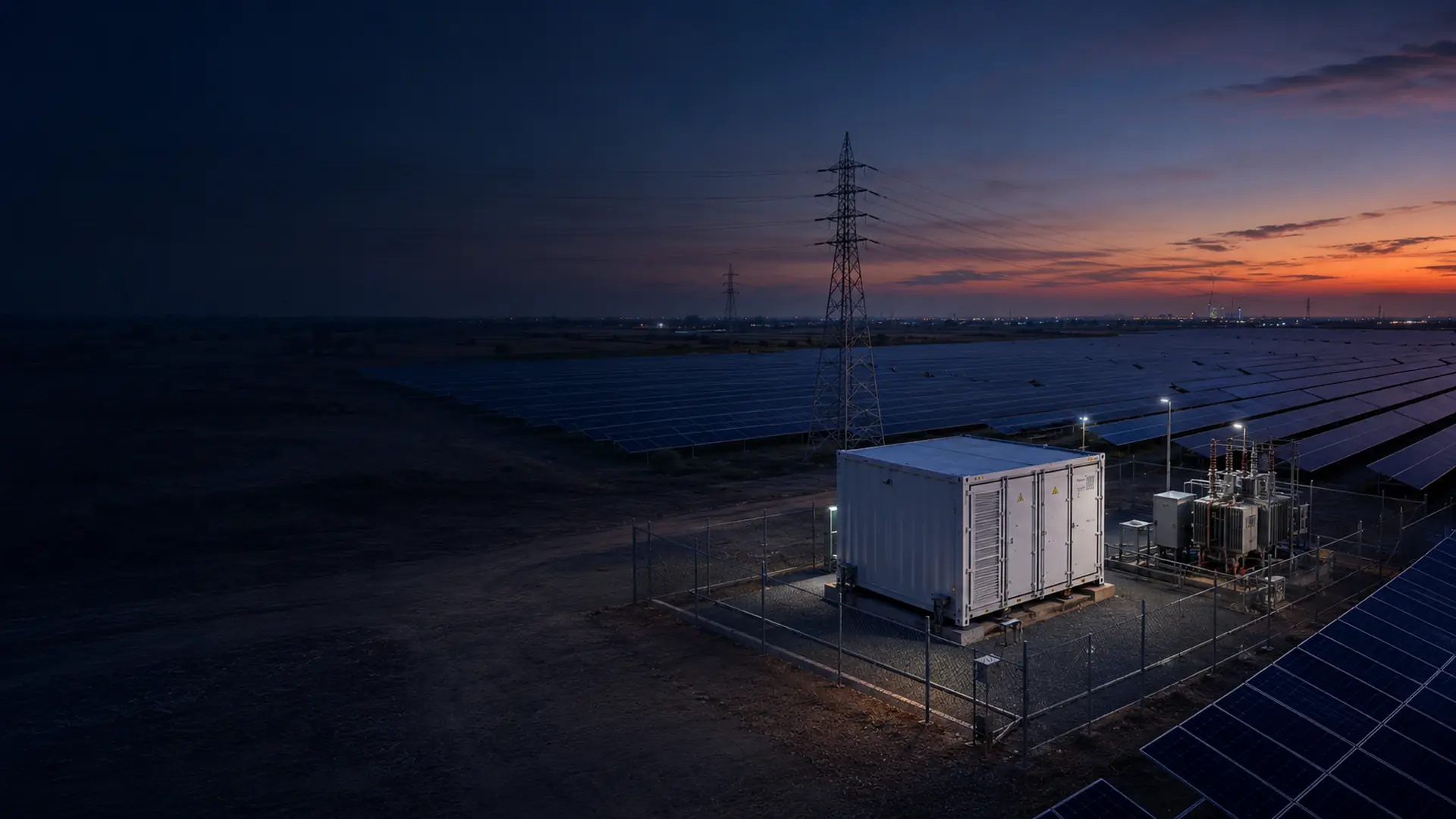 Energy storage
Explore peak management, renewable firming, resilience, power quality and the role of a capable energy-management system.
Read more → Project delivery
The execution questions buyers should ask about land, connectivity, approvals, banking and long-term operations.
Read more →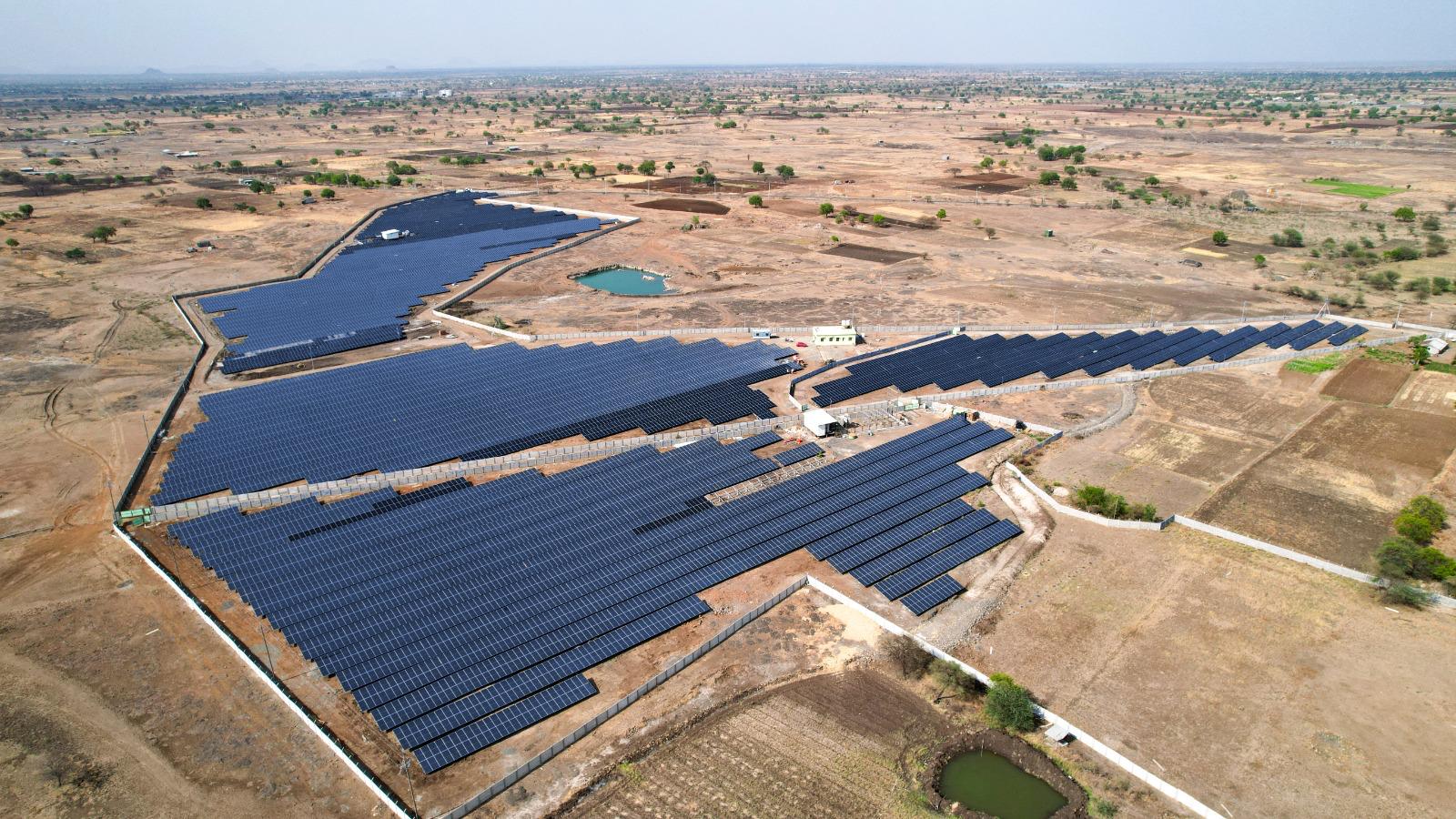
Social
Safety, capability and accountability at every site.
SunInfra’s safety framework combines risk identification, mandatory induction, PPE, supervision of high-risk work, toolbox talks, task-specific training and corrective action. Employees and contractor personnel are covered by the same site expectations.
Safety performance
No high-consequence incidents were recorded during FY 2025–26. The Company is strengthening near-miss reporting, injury-frequency measurement and centralized safety documentation.
Training and preparedness
Site induction, toolbox talks and activity-specific training address electrical hazards, work at height and material handling. First-aid access and defined escalation channels support emergency response.
Contractor management
Contractors are integrated through mandatory induction, communication of safety requirements, PPE enforcement and continuous supervision of site activities.
Risk coverage
Employee Compensation Insurance is maintained in accordance with statutory requirements for personnel engaged in project execution.