
Peak-demand management
A BESS can discharge during short demand spikes, potentially reducing demand-related charges or helping avoid operational peaks. The opportunity depends on the tariff structure and how predictable the spikes are.
Renewable-energy shifting
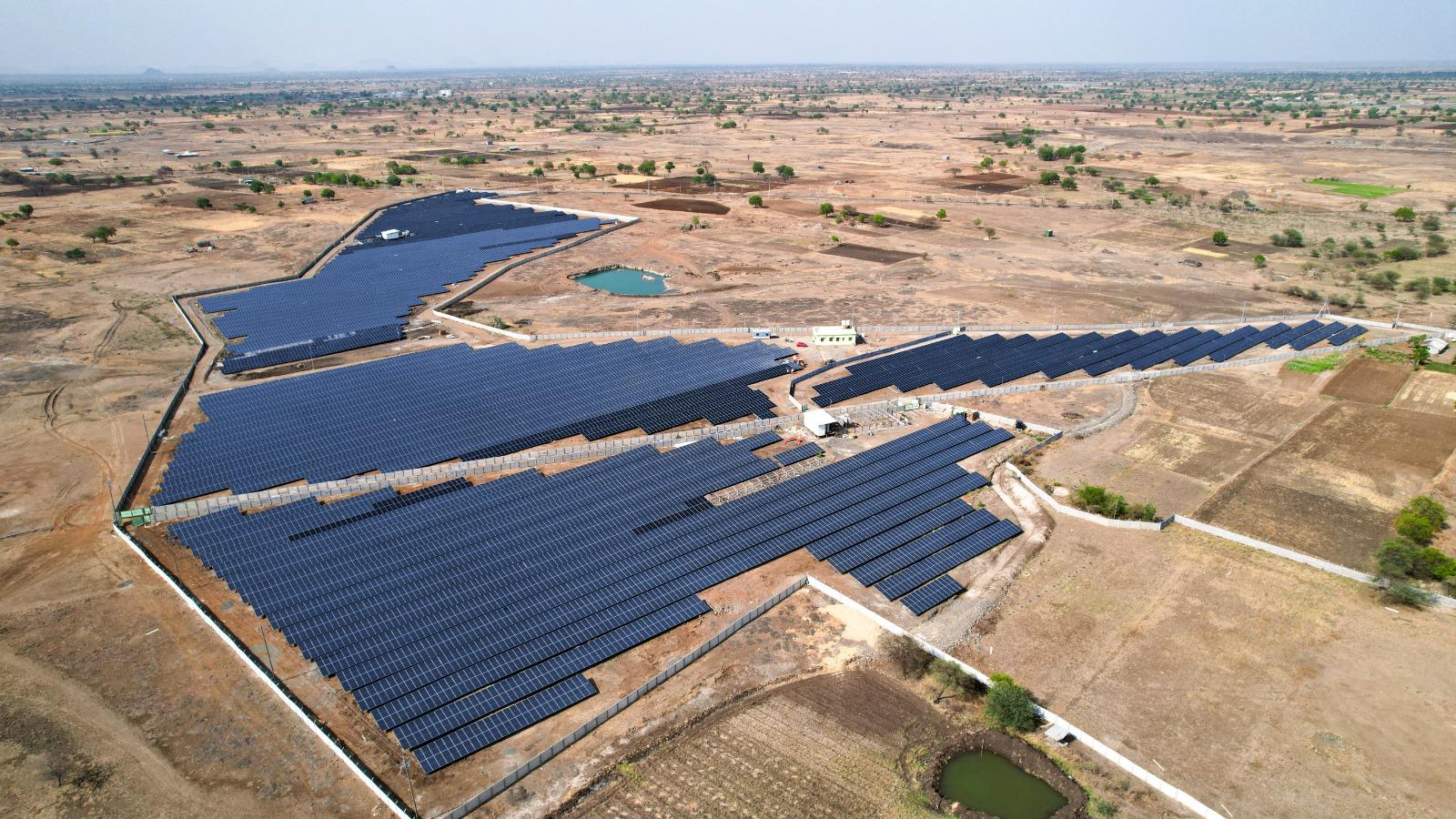
Surplus daytime solar can be stored for later use where the value of self-consumption exceeds export or banking value. This must account for round-trip efficiency, degradation and the actual evening load.
Resilience and power quality
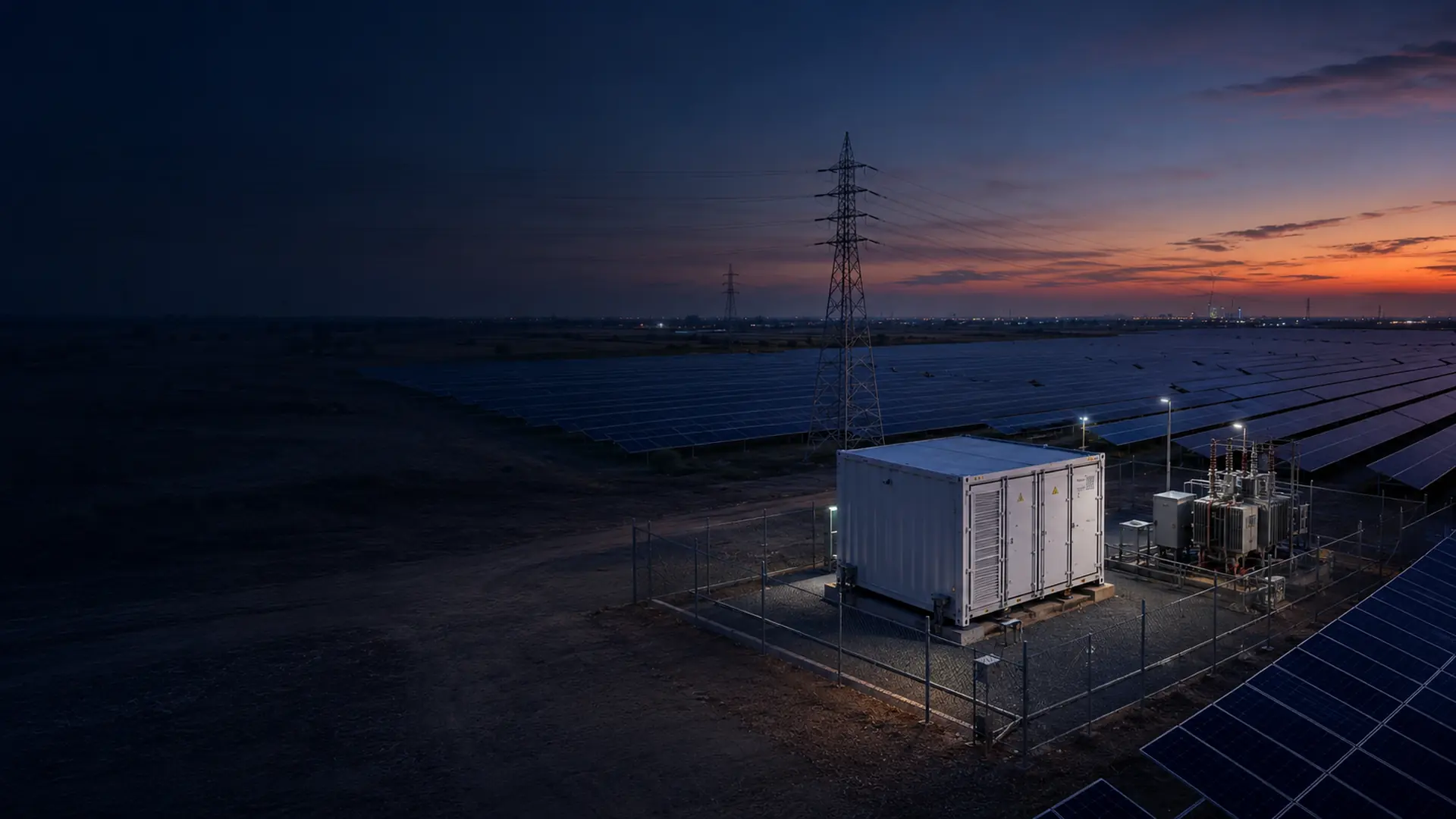
Depending on system architecture, storage can support selected critical loads, improve ride-through and contribute to better power quality. Backup duration and seamlessness must be engineered explicitly; neither should be assumed.
The EMS is the value engine
Hardware capacity alone does not determine returns. The energy-management system must forecast load and generation, respect equipment limits, prioritise use cases and make the right dispatch decision continuously.
Checklist
Information to assemble
- 15-minute load and demand data
- Outage and power-quality history
- Existing and planned solar
- Applicable tariff and time bands
- Critical-load requirement
- Warranty and degradation assumptions
Regulations, tariffs and project economics change over time. A current project-specific assessment is essential before making an investment or contracting decision.


 Energy storage
 Project delivery