
Begin with the load—not the technology
Map monthly consumption, sanctioned demand, operating shifts, weekend behaviour and, where available, 15-minute interval data. This establishes how much on-site solar can be consumed directly and where off-site power or storage may add value. Also test what is likely to change: new machinery, additional shifts, electrification and production growth can materially alter the optimum system.
Understand what each route optimises
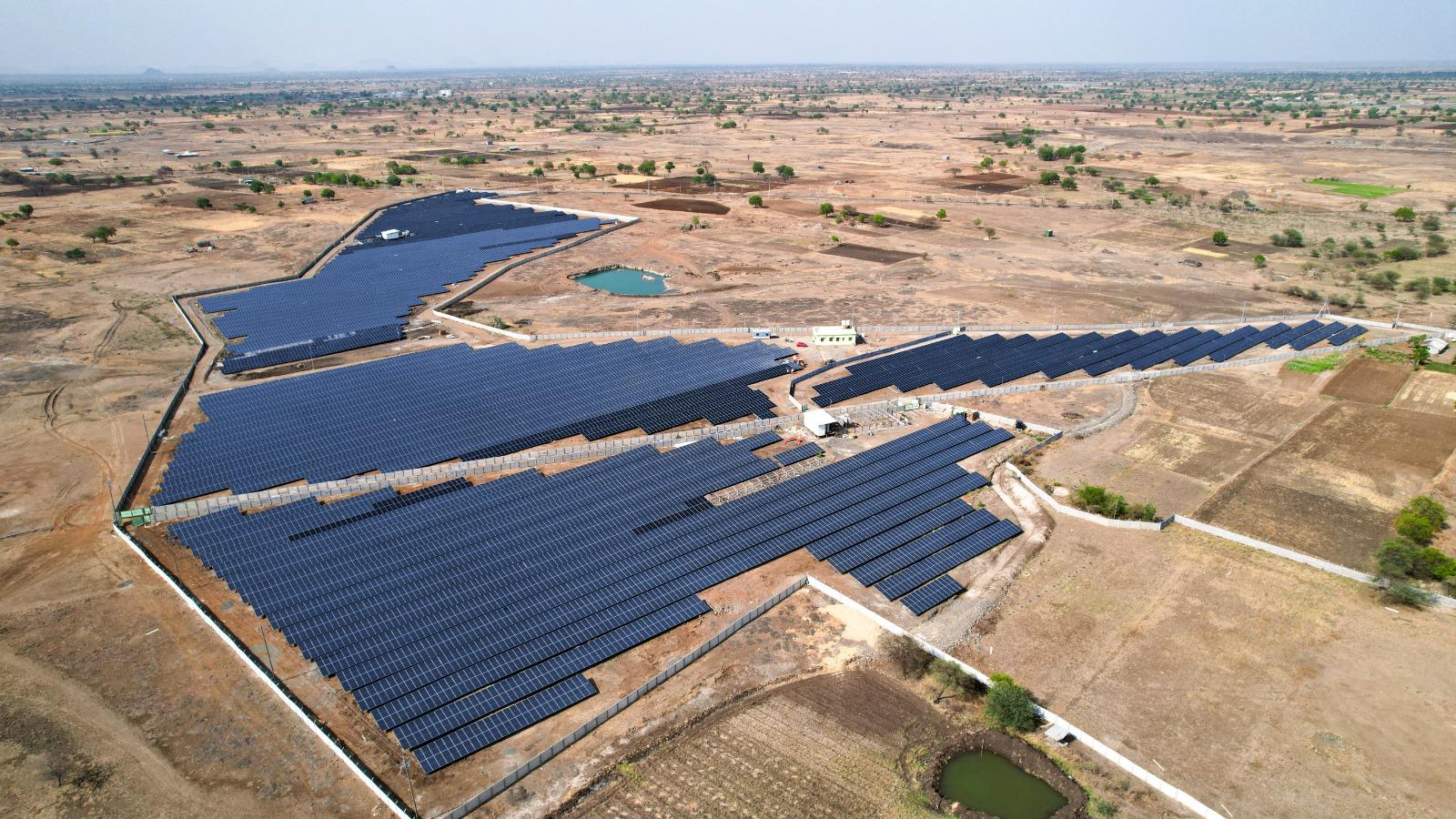
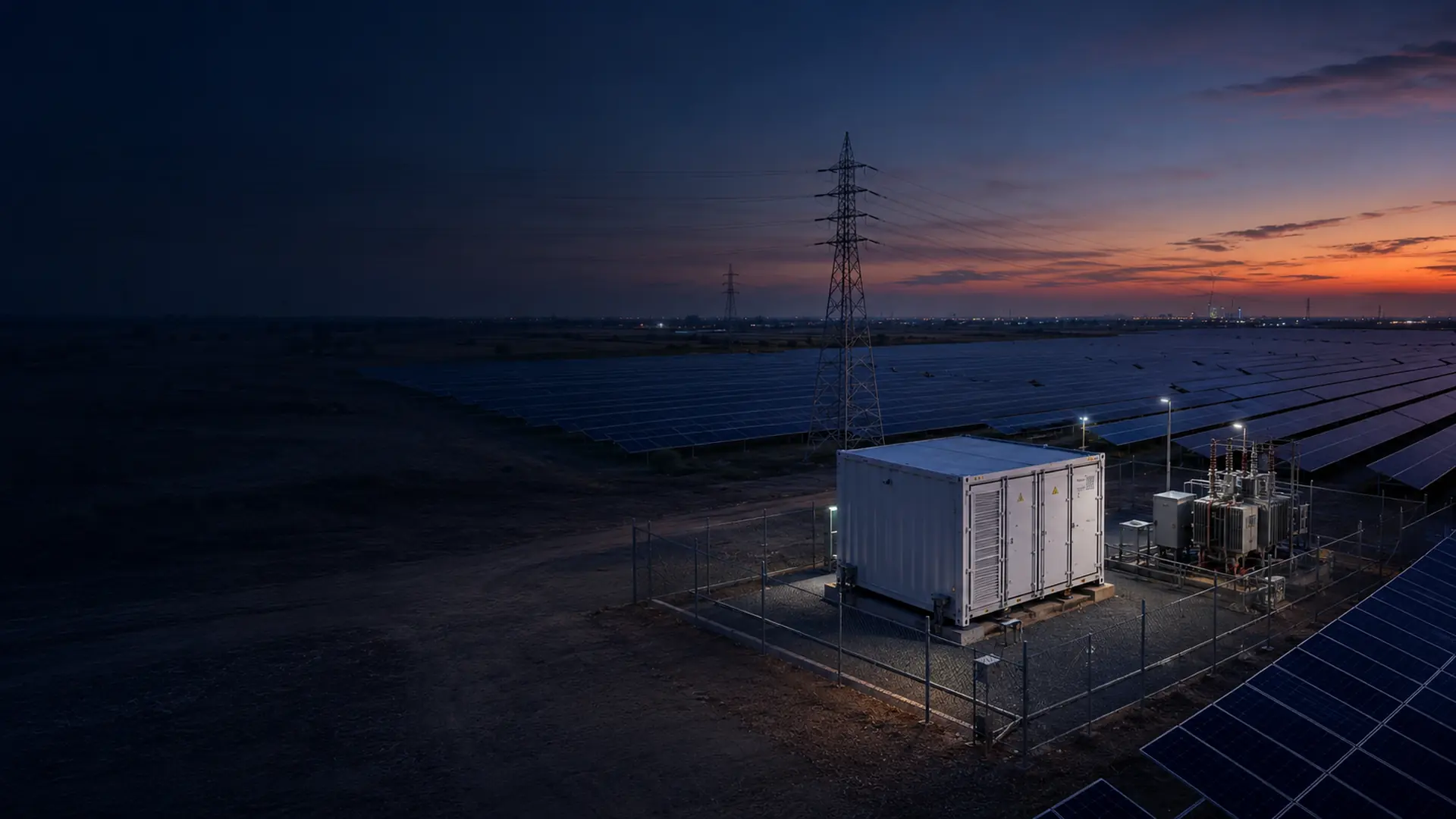
CAPEX generally maximises long-term ownership value but requires capital and direct asset responsibility. On-site OPEX lowers upfront investment, while open access can unlock larger renewable volumes when premises are constrained. The best answer may be a portfolio: on-site solar for direct consumption, open access for scale and BESS for peak or time-shifting value.
Compare risk allocation, not only price
Ask who carries land, approval, connectivity, generation, change-in-law, curtailment, equipment and operating risks. A superficially cheaper structure can become expensive when responsibilities are unclear.
Use one decision scorecard
Evaluate savings, capex, contract tenure, project readiness, downside scenarios, operational complexity, sustainability impact and exit flexibility together. Finance, procurement, plant and sustainability teams should approve the same assumptions.
Checklist
Information to assemble
- 12 months of electricity bills
- Sanctioned demand and tariff category
- 15-minute load profile, if available
- Roof or land information
- Growth plans
- Capital and contract preferences
Regulations, tariffs and project economics change over time. A current project-specific assessment is essential before making an investment or contracting decision.


 Energy storage
 Project delivery