Introduction:
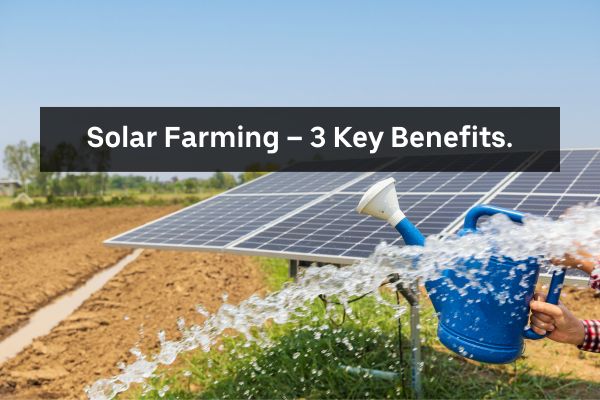
In the pursuit of sustainable energy, solar farming emerges as a beacon of innovation. This blog post explores the three key benefits that make solar farming a transformative force in the realm of renewable energy.
1. Sustainable Energy Generation: At the heart of solar farming lies the unparalleled capacity to generate clean, renewable energy. Dive into the mechanics of how vast arrays of solar panels convert sunlight into electricity, providing a sustainable alternative to traditional energy sources. Uncover how solar farming significantly reduces reliance on fossil fuels, curbing carbon emissions and contributing to a greener, more eco-friendly future.
2. Land Utilization and Biodiversity Conservation: Examine the dual-purpose advantage of solar farms, utilizing land for energy production while promoting biodiversity. Explore the concept of agrivoltaics, where solar panels coexist with agriculture. Delve into case studies showcasing how solar farming enhances land productivity, reduces soil erosion, and creates opportunities for sustainable farming practices, fostering a harmonious relationship between energy production and the environment.
3. Economic Growth and Job Creation: Explore the economic ripple effects of solar farming on local communities. Uncover how the establishment and maintenance of solar farms contribute to job creation, spurring economic growth. Highlight the potential for skill development in the renewable energy sector, creating employment opportunities and bolstering the local economy. Showcase real-world examples where solar farming projects have become catalysts for community development.
Case Studies:
Introduce readers to notable solar farming projects around the world, each illustrating the multifaceted benefits. Showcase innovative approaches to combining solar energy production with agriculture, featuring success stories that demonstrate the viability and positive impact of solar farming.
Challenges and Future Outlook:
Acknowledge the challenges faced by solar farming, such as land use conflicts and the need for advanced technologies. Discuss ongoing research and development aimed at overcoming these challenges, paving the way for a future where solar farming becomes even more efficient, cost-effective, and widely adopted.
Conclusion:
As the world pivots towards sustainable energy solutions, solar farming stands as a beacon of promise. Through its ability to generate clean energy, promote land conservation, and spur economic growth, solar farming emerges not just as a technological innovation but as a holistic approach to addressing the intertwined challenges of energy, agriculture, and the environment. This blog post invites readers to envision a future where vast solar farms not only power our homes but cultivate a more sustainable and interconnected world.