Introduction
In the pursuit of harnessing solar energy, the efficiency of solar panels is a critical factor. While these panels thrive in direct sunlight, shading can cast a figurative cloud over their performance. This blog post delves into the complex relationship between solar panels and shading, exploring the challenges, solutions, and innovations that contribute to maximizing energy production in shaded environments.
1. Understanding the Impact of Shading
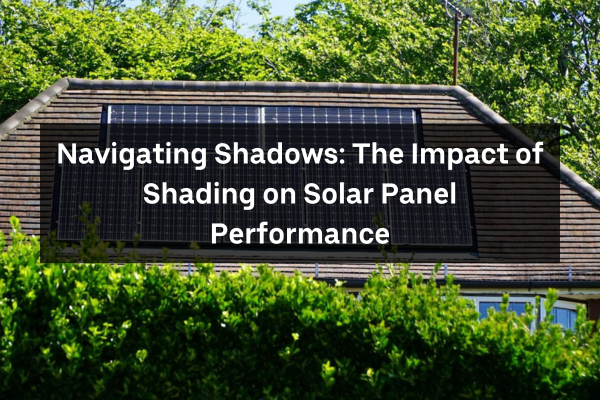
Shading, whether from trees, buildings, or other structures, disrupts the uniform exposure of solar panels to sunlight. Even partial shading on a small section of a solar panel can significantly reduce its overall efficiency. This phenomenon is known as the “Christmas light effect,” where shaded cells can act as resistors, hindering the flow of current and impacting the entire panel’s output.
2. Innovative Solutions: Bypass Diodes and Panel Design
To mitigate the effects of shading, solar panels are equipped with bypass diodes. These diodes create alternate pathways for electrical current, allowing energy to bypass shaded cells. When a section of the panel is shaded, the bypass diodes redirect the current, preventing the entire system from being affected. Additionally, advancements in panel design, such as “smart panels” with individual cell optimization, contribute to improved performance in shaded conditions.
3. Microinverters and Power Optimizers
Traditional solar installations use a single inverter for an entire array of panels. In shaded conditions, this setup can lead to a significant loss of efficiency. Microinverters, installed on each solar panel, or power optimizers, which are connected to each panel, offer a more adaptive solution. These devices optimize the output of individual panels, ensuring that shading on one panel doesn’t compromise the performance of the entire system.
4. Tree Trimming and Shading Analysis
Strategic tree trimming or pruning is a practical, non-technical solution to mitigate shading. By carefully managing the vegetation around solar installations, it’s possible to reduce or eliminate shading during critical sunlight hours. Shading analysis tools, often used during the design phase of solar projects, help identify potential shading issues and inform optimal panel placement.
5. AI and Predictive Maintenance
Artificial intelligence (AI) plays a growing role in optimizing solar panel performance. AI algorithms analyze real-time data, including shading patterns, and make dynamic adjustments to maximize energy production. Predictive maintenance models can anticipate and address shading-related issues before they significantly impact the system.
Conclusion: Shaping a Brighter Future
As solar energy continues to illuminate our path toward a sustainable future, addressing shading challenges becomes crucial. Through a combination of technological advancements, thoughtful design, and strategic planning, the impact of shading on solar panels can be minimized. The journey toward a brighter, cleaner energy future involves navigating shadows, adapting to challenges, and leveraging innovation to ensure that every ray of sunlight is transformed into a powerful source of renewable energy.