Introduction:
In the quest for a sustainable future, solar energy stands as a shining beacon. However, as with any transformative technology, myths and misconceptions often cast shadows. This blog post aims to illuminate the truth by debunking 10 common solar energy myths that might be clouding the understanding of this powerful renewable resource.
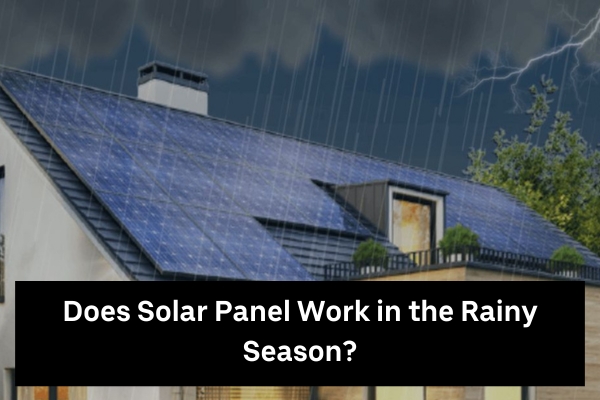
1. Myth: Solar Panels Don’t Work on Cloudy Days
Reality: Solar panels can generate electricity even on cloudy days. While direct sunlight enhances efficiency, modern solar panels are designed to harness diffuse sunlight, producing energy even in overcast conditions.
2. Myth: Solar Panels Are Too Expensive
Reality: The cost of solar panels has significantly decreased in recent years. Moreover, various financial incentives, tax credits, and leasing options make solar power more affordable than many believe. Over time, the savings on energy bills often outweigh the initial investment.
3. Myth: Solar Panels Require Constant Maintenance
Reality: Solar panels are low-maintenance. Regular cleaning and occasional checks are usually sufficient. Most systems come with warranties and are built to withstand diverse weather conditions.
4. Myth: Solar Energy Is Only for Warm Climates
Reality: Solar panels work well in various climates, including colder regions. In fact, solar panels often perform more efficiently in cooler temperatures. Germany, a country with a temperate climate, leads the world in solar energy production.
5. Myth: Solar Panels Have a Short Lifespan
Reality: Solar panels are designed to last for several decades. The average lifespan is around 25 to 30 years, and many panels continue to produce energy beyond their warranty periods.
6. Myth: Solar Energy Is Inefficient
Reality: Advances in solar technology have significantly increased efficiency. Modern solar panels can convert sunlight into electricity at impressive rates, making solar energy a viable and efficient power source.
7. Myth: Solar Panels Devalue Your Property
Reality: Research indicates that homes with solar panels often have increased property values. Solar installations are considered valuable assets, and eco-conscious homebuyers may find them attractive.
8. Myth: Solar Energy Is Only for Big Corporations
Reality: Solar power is accessible to individuals, homes, and small businesses. Residential solar installations are increasingly common, and various financing options make it feasible for smaller entities to embrace solar energy.
9. Myth: Solar Panels Are Bad for the Environment
Reality: The manufacturing process has some environmental impact, but the overall lifecycle emissions of solar energy are significantly lower than traditional fossil fuels. As technology improves, the environmental footprint of solar panels continues to decrease.
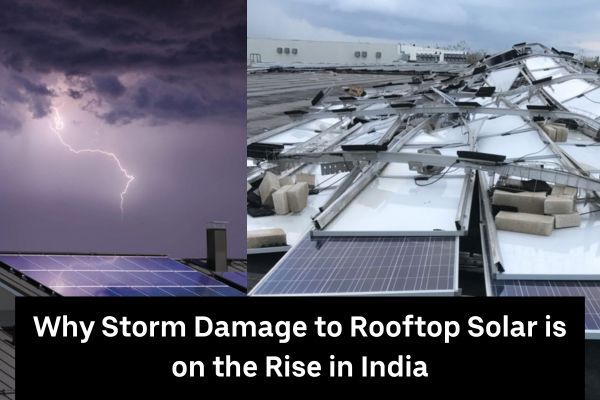
10. Myth: Solar Panels Can’t Handle Extreme Weather
Reality: Solar panels are built to withstand various weather conditions, including hail, snow, and high winds. They undergo rigorous testing to ensure durability and resilience in diverse climates.
Conclusion:
As we navigate the evolving landscape of energy, dispelling these myths is crucial. Solar energy stands as a robust and sustainable solution, debunking misconceptions and paving the way for a brighter, cleaner future.