Introduction:
As the world seeks sustainable energy solutions and a greener future, solar power has gained prominence as a clean and renewable energy source. While solar panels are often associated with rooftops and large solar farms, there’s a growing interest in using agricultural land for solar installations. In this blog post, we’ll explore whether it’s feasible and beneficial to use solar panels on agricultural land.
The Intersection of Agriculture and Solar Power
Agricultural land and solar power might seem like an unlikely pair, but they share common ground in the pursuit of sustainability and resource optimization. Here’s how the two can intersect:
1. Dual Land Use:
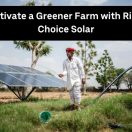
One of the primary considerations when contemplating solar installations on agricultural land is dual land use. This approach allows for both agricultural activities and solar energy generation on the same land. Solar panels can be installed above ground level, providing shade to crops or livestock while still generating clean energy. This synergy is known as agrivoltaics or agrovoltaics.
2. Environmental Benefits:
Solar installations on agricultural land can bring a host of environmental benefits. They reduce greenhouse gas emissions, provide a source of clean energy, and promote a more sustainable agricultural sector. These installations can also enhance biodiversity by providing shaded areas for flora and fauna.
3. Additional Income for Farmers:
For farmers, leasing their land for solar installations can provide an additional source of income, helping to stabilize their financial well-being and reduce risks associated with traditional farming alone. This diversification of income can be particularly beneficial during periods of drought or crop failure.
4. Reduced Energy Costs:
On the operational side, solar installations can help farms reduce their energy costs. Farmers can use the energy generated to power irrigation systems, cooling or heating systems for livestock, and other energy-intensive processes.
Considerations for Solar Installations on Agricultural Land
Before embarking on a solar project on agricultural land, there are some essential considerations:
1. Land Quality:
Assess the quality of the land and its suitability for solar installations. Avoid prime agricultural land and prioritize areas with lower agricultural value.
2. Dual Land Use Design:
Work with solar developers who specialize in dual land use projects. The design of the solar array should complement and enhance agricultural activities, not hinder them.
3. Permitting and Regulations:
Understand the local zoning laws and regulations regarding solar installations on agricultural land. Some regions may have specific guidelines for land use and environmental impacts.
4. Community and Stakeholder Engagement:
Engage with the local community and stakeholders to address concerns and gain support for your project.
Conclusion:
In conclusion, using solar panels on agricultural land is a viable and increasingly popular option that offers numerous benefits. It allows for dual land use, reduces energy costs, provides additional income for farmers, and contributes to a greener and more sustainable future. To successfully implement solar installations on agricultural land, careful planning, community involvement, and adherence to regulations are key. This innovative approach brings together two vital sectors, agriculture and renewable energy, to create a harmonious and sustainable future for our planet.